
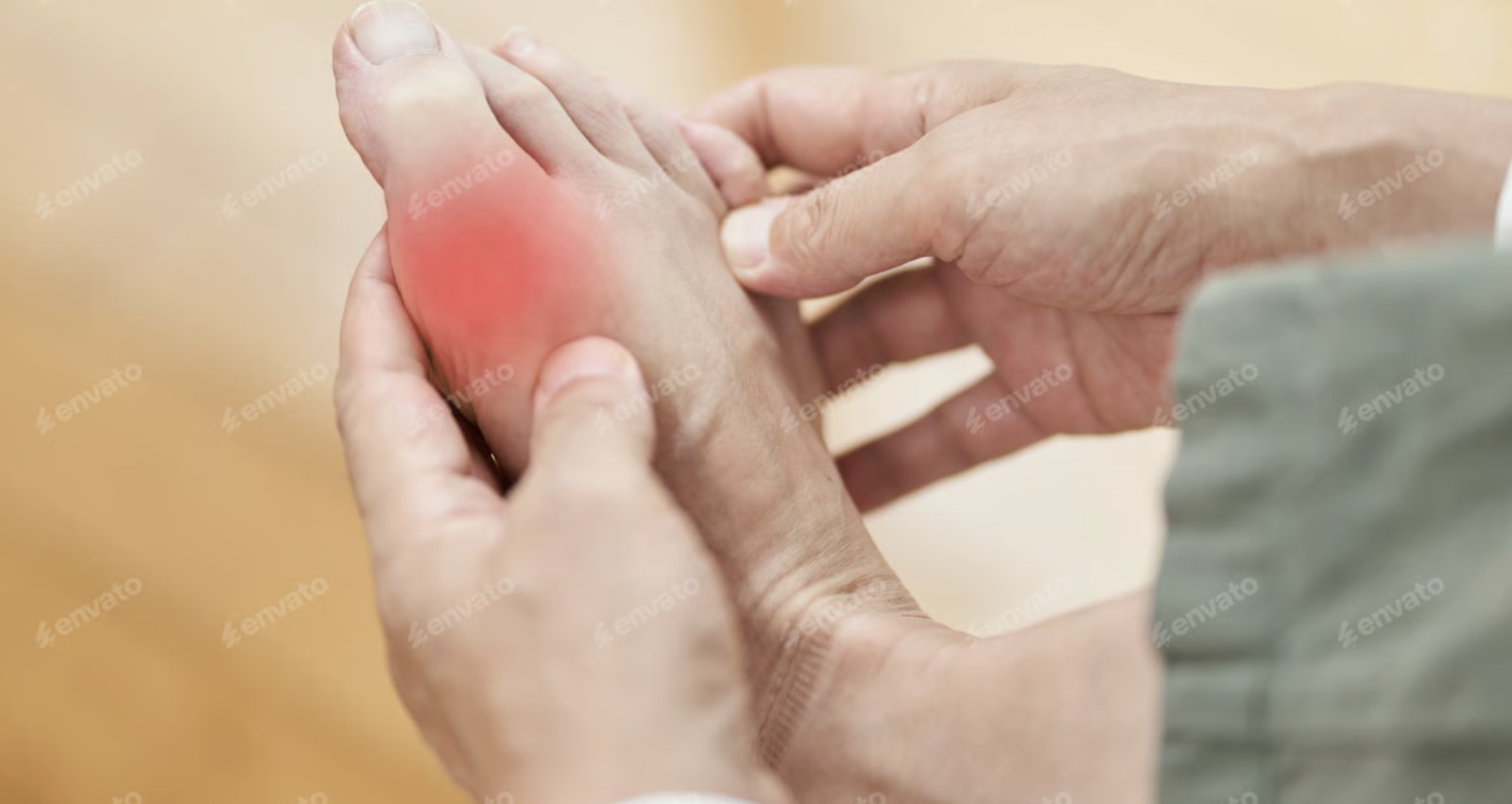
Turf toe is a sprain of the soft tissue beneath the big toe joint, which often gets mistaken for a stubbed toe.
Turf toe pain limits push-off in every sprint or jump. Early assessment helps you manage big toe joint pain before it interrupts your training.
What Is Turf Toe?
Turf toe describes a sprain of the plantar complex, the ligaments and soft tissue beneath the big toe joint. That joint is formally called the metatarsophalangeal (MTP) joint, and a thick fibrous pad known as the plantar plate sits at its centre.
The injury occurs when the big toe bends upward beyond its normal range while the heel is lifted and the forefoot carries load. The name is associated with the artificial turf that athletes play on, though hard indoor courts can also produce the same injury.
Turf Toe Causes: How It Happens in Sports
Turf toe is caused by a consistent mechanism. A planted foot with the heel raised leaves the big toe bent upward, and a sudden force then overloads the plantar complex.
Different sports load the big toe joint in different ways.
- Football: Injury often occurs when another player lands on the back of a planted heel.
- Futsal: Abrupt push-offs on hard floors add repeated stress.
- Basketball, Volleyball, and Badminton: Constant forefoot loading strains the joint during jumps and lunges.
Several other factors can raise the chance of overloading the big toe joint.
- Flexible Footwear: Shoes that bend easily at the forefoot allow the big toe to extend further than the joint tolerates.
- Hard Playing Surfaces: Artificial turf and hard courts grip the shoe, so force travels straight into the big toe joint.
- Limited Joint Motion: A stiff big toe joint or flat foot can shift stress onto the plantar complex during push-off.
Turf Toe Symptoms
Turf toe symptoms often appear immediately after the injury, although milder sprains may develop over several days of continued play.
A podiatrist usually looks for the following signs around the base of the big toe.
- Pain in the ball of the foot beneath the big toe
- Swelling around the joint
- Bruising above or below the joint
- Stiffness when bending the toe upward
- Weakness during push-off
Big toe pain when walking tends to worsen on stairs, during sprints, and when rising onto the toes. In contrast, rest often eases turf toe pain temporarily, which can tempt athletes to return too soon.
Turf Toe Grades: From Mild Sprain to Complete Tear
Podiatrists commonly grade the injury by how much of the plantar complex is damaged.
- Grade 1 Sprain: Tissue stretches without tearing, producing mild swelling and tenderness. Walking remains possible with minor discomfort.
- Grade 2 Partial Tear: Some fibres tear, causing moderate swelling, bruising, and restricted movement. Walking and push-off become noticeably painful.
- Grade 3 Complete Tear: The plantar complex tears completely, producing severe swelling, bruising, and an unstable joint.
Turf Toe vs Other Causes of Big Toe Joint Pain
Big toe joint pain has several possible sources, and onset, location, and swelling pattern help differentiate them.
- Sesamoiditis: Irritation of the two small bones (sesamoids) beneath the joint, producing a dull ache that builds gradually.
- Plantar Plate Injury: A strain or tear of the plantar plate that often develops from repeated overload.
- Gout: A uric acid flare causing sudden redness, heat, and severe swelling at the joint, often overnight and without an injury.
When redness and swelling appear overnight without an injury, knowing the difference between gout, uric acid, and heel pain can help in identifying the source.
Alignment changes can also produce big toe pain. For example, hallux valgus (a bunion) angles the big toe sideways and often causes discomfort that builds over months.
Turf Toe Assessment and When a Scan Is Needed
When assessing turf toe, a podiatrist begins with the history of the injury, then presses along the joint to locate tenderness. Movement testing shows how far the big toe bends upward and whether the joint feels stable.
Most Grade 1 injuries can be assessed without imaging. However, an X-ray can check for a fracture or a displaced sesamoid. An MRI (magnetic resonance imaging) shows the soft tissue in detail when a Grade 2 or 3 tear is suspected.
Conservative Management Options for Turf Toe
Most turf toe injuries are managed conservatively. The aim is to limit upward bending of the big toe while the plantar complex recovers.
- Tape the Toe: Limit upward bending by strapping the big toe, which reduces strain on healing tissue.
- Wear Stiff-Soled Footwear: Choose shoes with a rigid forefoot so the big toe joint bends less during walking.
- Add Custom Orthotic Insoles: Redistribute pressure away from the big toe joint with an insole shaped to your foot.
- Pause Aggravating Sport: Rest from sprinting, jumping, and cutting movements until push-off feels comfortable again.
Meanwhile, ice and elevation calm early swelling. The podiatrist then reduces protection step-by-step as pain settles and push-off strength returns.
Turf Toe Recovery Time and Return to Sport
Turf toe recovery time depends mainly on the grade of the injury.
- Grade 1: Often settles within one to two weeks with taping and reduced activity.
- Grade 2: Typically needs two to six weeks of protection before sport resumes.
- Grade 3: May take several months, and some cases need an orthopaedic opinion.
Return to sport follows a staged order. Walking comes back pain-free first, then jogging, and finally jumping and cutting drills. Keep in mind that returning before push-off feels comfortable may prolong recovery.
How to Prevent Turf Toe
These habits reduce repeated stress on the big toe joint during training.
- Choose sports shoes with a stiffer forefoot
- Warm up the feet and calves before play
- Strengthen the muscles that control the big toe
- Build training volume gradually each week
- Replace worn footwear before the sole loses support
Our Approach at Dr Foot Podiatry
As a podiatrist in Singapore, Dr Foot assesses how your big toe joint moves under load, then addresses the cause of the overload alongside the pain.
Management plans typically combine taping, footwear advice, insoles, and a prescribed exercise programme. Low-level laser therapy may also be added for sensitive tissue, and it works best alongside protection and exercise.
Frequently Asked Questions About Turf Toe
How long is the turf toe recovery time?
Turf toe recovery time ranges from about one to two weeks for a Grade 1 sprain to several months for a Grade 3 tear. However, a pain-free push-off is what usually determines when sport can resume.
Can you walk with turf toe?
Many people can walk with a Grade 1 injury, although big toe pain when walking is common. Taping and a stiff-soled shoe reduce strain, while Grade 2 and 3 injuries often need further protection.
Does turf toe go away on its own?
Mild turf toe may settle with rest and protection, though returning to sport too soon can keep the joint irritated. Big toe joint pain that lasts beyond two weeks may point to a problem with a different structure.
See a Podiatrist if Turf Toe Pain Persists
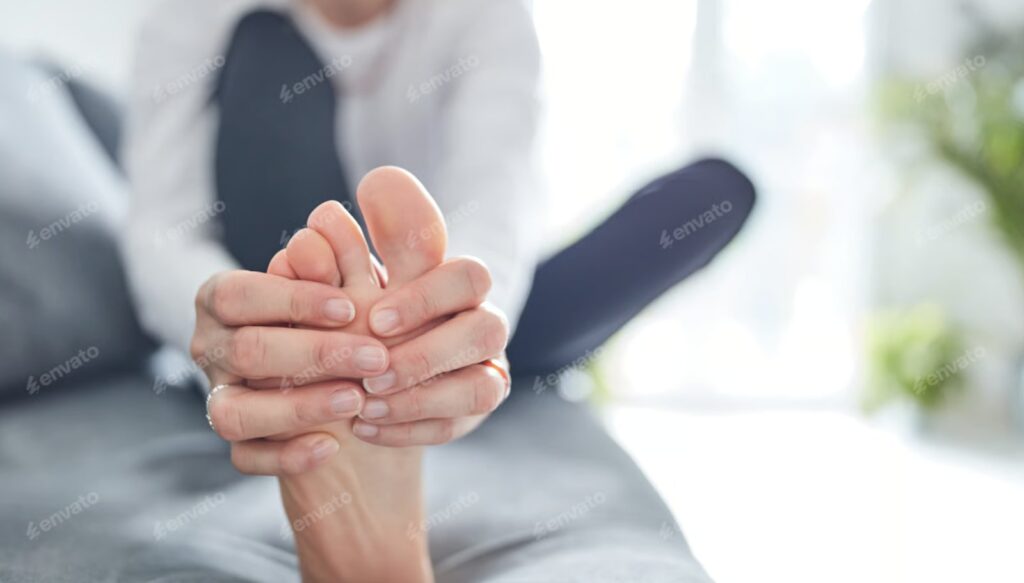
See a podiatrist if turf toe pain lasts beyond one to two weeks. Increasing swelling or bruising, an unstable joint, and repeated flare-ups after returning to sport also call for review.
A podiatrist can identify the grade, review how your foot moves during push-off, and outline a staged return to your usual activities. Addressing the load that injured the joint alongside the sore tissue often helps turf toe settle more smoothly.
Schedule an assessment with Dr Foot Podiatry to have your big toe evaluated and a management plan put in place.
See a Podiatrist if Turf Toe Pain Persists
Dr Foot’s podiatrists can identify the cause and get you the right treatment.