
Plantar Fasciitis Treatment in Singapore

What is Plantar Fasciitis?
Plantar fasciitis (sometimes referred to as fascia plantitis) involves irritation of the plantar fascia, a thick band of tissue running along the sole of your foot that supports the arch and absorbs pressure during movement. When this tissue becomes inflamed, it causes discomfort or pain in the heel. Plantar fasciitis is recognised as one of the most common causes of heel pain seen in podiatric practice. Seeking appropriate treatment from a podiatrist in Singapore can help manage this concern.
Signs and Symptoms of Plantar Fasciitis
Plantar fasciitis can present characteristic sensations and pain patterns that may affect your daily mobility. You may need to seek treatment if you experience the following:
Sharp Pain in the Morning
A sharp, stabbing pain is typically felt at the bottom of the heel, particularly with the first steps taken in the morning or after a period of rest.
Heel Tenderness and Swelling
The heel or the arch of the foot may feel tender to the touch, and you might notice some associated swelling in the foot.
Burning or Tingling Sensation
Some individuals experience a burning or tingling sensation that can be localised in the heel or spread along the arch of the foot.
Pain Worsens with Activity
The severity of heel pain may increase after engaging in certain activities, such as prolonged exercise, climbing stairs, or walking up inclines.
Stiffness in the Arch
Stiffness throughout the arch of the foot may temporarily decrease with initial movement, but this rigidity can return later in the day.
If any of these symptoms persist or begin to interfere with your daily activities, it is advisable to consult a podiatrist for a proper assessment.
Common Causes Of Plantar Fasciitis

Plantar fasciitis is typically caused by mechanical overstretching of the plantar fascia.
People who seek treatment for this condition include a wide range of individuals from desk-bound office workers who spend long hours seated with limited foot movement, to athletes with high training loads, as well as people who remain physically active in their 40s and beyond, especially those whose jobs require prolonged standing or being on their feet for extended periods, such as teachers, waiters, or nurses. Heel pain is also observed more frequently among women, possibly due to biomechanical and footwear-related factors.
Other common causes of plantar fasciitis include:
- Prolonged walking, prolonged standing, and long-distance running
- Having flat feet or high arches
- Having tight calf muscles or Achilles tendon
- Being obese
- Wearing footwear that is not appropriate for your foot type
- Age-related thinning of the heel’s fat pad, which reduces natural cushioning and increases stress on the plantar fascia
Non-Surgical Treatments for Plantar Fasciitis Relief
Non-surgical therapies can play an important role in managing plantar fasciitis by addressing heel pain, supporting tissue recovery, and working towards improved mobility. At Dr Foot Podiatry Clinic, our focus is on non-surgical treatment approaches that are targeted to your condition and supportive of your recovery.
1. Extracorporeal Shockwave Therapy (ESWT)
Extracorporeal Shockwave Therapy (ESWT) is ideal for individuals who still experience heel pain despite trying initial care approaches.

How ESWT Works
Shockwave treatment delivers low-frequency, high-energy sound waves to targeted points on the heel and arch to stimulate healing within the plantar fascia.
ESWT may help:
- Stimulate better blood flow and metabolic activity around the tissue
- Encourage the regeneration of damaged tissues and nerves
- Reduce sensitivity and tension across the fascia
- Reduce inflammation
- Prevent cell death
Who Can Benefit from ESWT Treatment
ESWT may be a suitable option for:
- Those dealing with persistent or long-standing heel pain that has not resolved with time
- Individuals who have not seen adequate improvement through rest or stretching alone
- Those who are looking for a non-surgical approach to managing plantar fasciitis
2. Photobiomodulation Therapy (Low-Level Laser Therapy)
Also known as cold laser treatment, Photobiomodulation Therapy (Low-Level Laser Therapy) uses specific wavelengths of light to support tissue recovery for plantar fasciitis-related discomfort.
How Low-Level Laser Therapy Works
LLLT involves applying targeted red and near-infrared light wavelengths to the affected area. When absorbed by cells, this light may help encourage cellular activity and circulation, supporting the body’s natural tissue repair processes.
LLLT may help:
- Encourage cell regeneration and recovery
- Increase circulation in smaller blood vessels
- Promote the growth of new, supportive tissues
- Aid in the production of natural tissue components, such as collagen
- Prevent soft tissue degeneration of the muscle, fascia, ligament, and cartilage
At Dr Foot Podiatry Clinic, we are attentive, professional, and dedicated to offering non-surgical heel pain treatment to help address your foot discomfort.
Who Can Benefit from Low-Level Laser Therapy
LLLT may be a suitable option for:
- Individuals experiencing plantar fasciitis-related inflammation and heel discomfort
- Those who prefer a non-invasive approach to managing their condition
- Individuals with recurring heel pain that has not fully resolved with other measures
Custom Orthotic Insoles Designed for Plantar Fasciitis Relief
Custom orthotics are specially crafted insoles designed to support your unique foot structure. For individuals managing heel discomfort, custom orthotic insoles can help reduce pressure on the plantar fascia during daily movement. When fitted correctly, they can improve alignment, reduce strain, and support balance, making walking and standing comfortable.
At Dr Foot Podiatry Clinic, we can recommend the appropriate treatment for plantar fasciitis and also guide you in choosing orthotics that suit your lifestyle, not just your shoes.
Getting Support for Plantar Fasciitis At Dr Foot Podiatry Clinic
If persistent heel pain is affecting your life, it’s crucial to seek professional attention and management. At Dr Foot Podiatry Clinic, we guide you through the evaluation and treatment process, prioritising education and accessible care because no one should have to live with long-term foot discomfort.
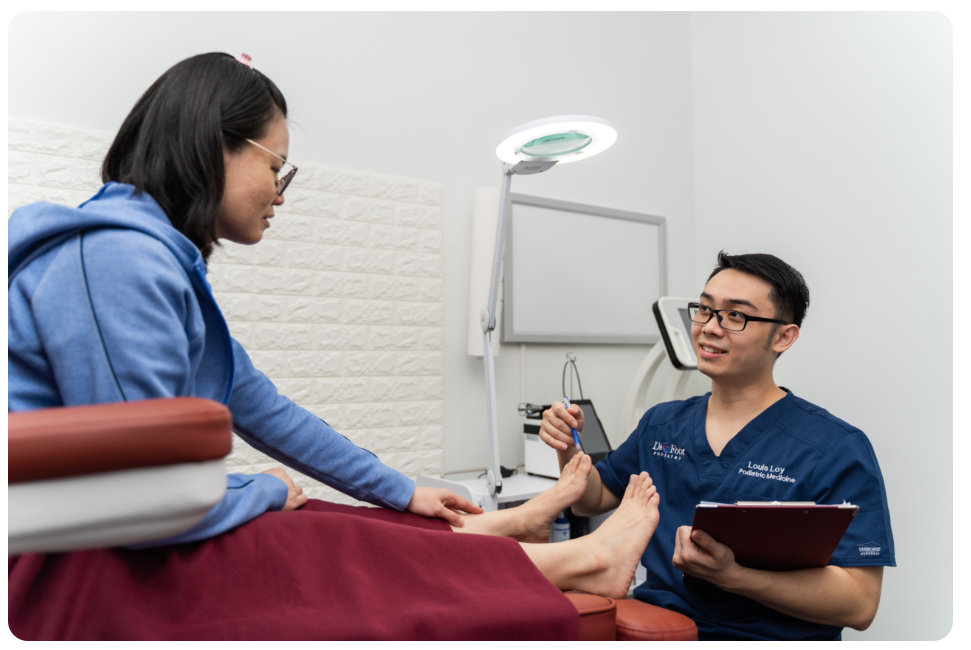
You can expect a thorough, unhurried assessment where your concerns are heard and your questions are welcomed. Our structured approach to addressing plantar fasciitis includes:
- Medical History Review and Consultation: Your first visit involves a 1 to 1.5-hour consultation with one of our podiatrists.
- Physical Examination: We carefully check the foot for tenderness, swelling, or tightness in the heel and arch area.
- Gait Analysis: A visual assessment of your walking patterns.
- Imaging Tests (If Needed): Ultrasound or X-ray may be recommended.
- Findings Review and Treatment Discussion: Once the assessment is complete, your podiatrist will walk you through the findings and discuss a treatment approach tailored to your condition, lifestyle, and recovery goals.
Why Choose Dr Foot?
Dedicated Foot and Ankle Specialists
Podiatry is a specialised field, and foot and ankle concerns deserve focused expertise. At Dr Foot, our podiatrists work exclusively within this discipline, bringing dedicated clinical knowledge to every consultation. Whether you are dealing with plantar fasciitis, recurring heel tendon pain, or broader foot and ankle concerns in Singapore, you are in the hands of practitioners who understand these conditions in depth to provide you with personalised treatment.
A Non-Surgical Approach, First
Our first priority is always to explore what can be achieved without surgery. We believe that many individuals in Singapore managing plantar fasciitis and related heel pain can be well-supported through targeted, non-invasive care. Our treatment pathway is built around this commitment, so you can focus on your recovery with confidence.
Advanced Therapies Available In-Clinic
Dr Foot is a podiatry clinic in Singapore that offers both Extracorporeal Shockwave Therapy (ESWT) and Low-Level Laser Therapy (LLLT) so you will not need to travel elsewhere for these plantar fasciitis treatments. Having these modalities available in-house means your care can be coordinated and delivered seamlessly from assessment through to treatment.
Care That Is Built Around You
No two patients present in exactly the same way, and we do not treat them as if they do. Our podiatrists take the time to understand your lifestyle, activity levels, and recovery goals before recommending a course of care. The result is a treatment plan that is specific to your condition and practical for your day-to-day life.
Pain Relief Begins At Dr Foot Podiatry Clinic
Heel pain can quietly affect more than just your feet, it shapes how you move, how you work, and how you go about your day. At Dr Foot, our podiatrists combine targeted therapies with a thorough understanding of your foot mechanics to address the root of your discomfort, not just the symptoms. With the right support and a treatment plan built around your needs, managing plantar fasciitis is something you do not have to navigate alone in Singapore.
Frequently Asked Questions About Our Plantar Fasciitis Treatment
What is the difference between plantar fasciitis and a heel spur?
Plantar fasciitis refers to irritation of the plantar fascia tissue, while a heel spur is a bony growth on the heel bone. The two conditions can occur together, but a heel spur alone does not always cause pain.
Can Plantar Fasciitis heal without treatment?
Mild cases may improve with rest and activity modification, but persistent or recurring heel pain generally benefits from professional assessment. Without appropriate care, symptoms can worsen over time and affect your movement and posture.
Do I need a referral to visit the clinic?
No referral is needed. You are welcome to book directly with us, and our podiatrists will conduct a full assessment from your first visit.
Is low-level laser therapy painful?
How long does it take for the treatments to work?
The time it takes to feel improvement varies. Some individuals notice relief after a few sessions, while others may require a longer period depending on how long the issue has been present and how their body responds.
Can I continue physical activities with plantar fasciitis?
In most cases, you can remain active – but certain adjustments may be recommended. Our podiatry team will advise on suitable footwear, activity modifications, and stretches.
Is plantar fasciitis treatment covered by insurance or medical plans?
How many shockwave therapy sessions will I need?
What happens if I delay getting treatment for plantar fasciitis?
Postponing care may cause the pain to persist or worsen. Over time, walking patterns may change to compensate, potentially affecting knees, hips, or lower back.