
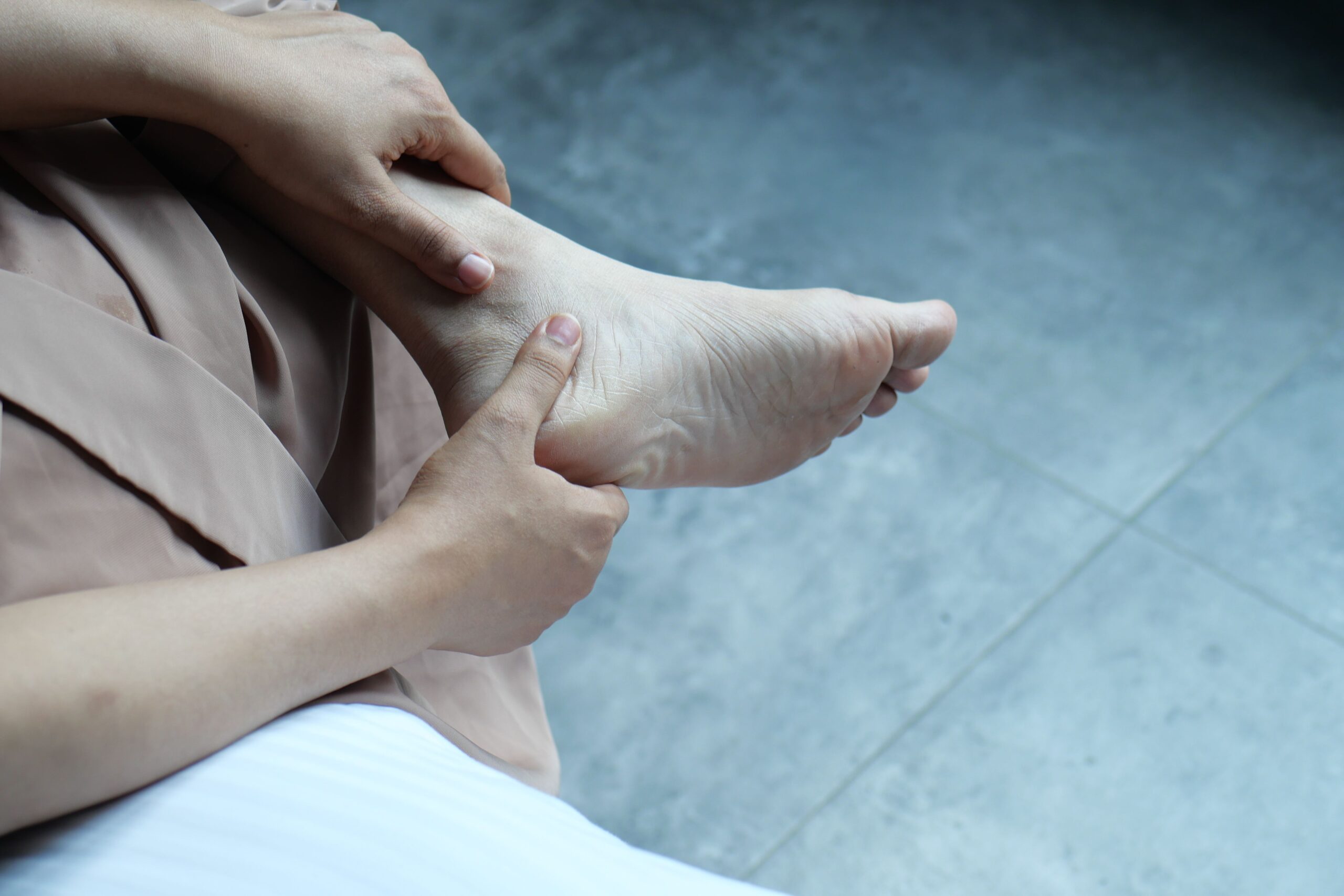
Heel pain does not always mean plantar fasciitis or a mechanical strain. Gout, driven by a build-up of uric acid in the blood, can also settle in the heel and mimic that familiar ache. Knowing which one you are dealing with changes how it should be managed.
What Gout Actually Is
Gout is a form of inflammatory arthritis. It develops when uric acid builds up faster than your kidneys can clear it. Uric acid is a waste product your body creates when it breaks down purines from food.
Elevated uric acid is a common cause of sudden, severe joint pain. The excess crystallises inside a joint to trigger a gout attack. A joint affected by gout often turns red, warm, and difficult to bear weight on. Most people associate a gout attack with the big toe, which is the most common presentation.
However, uric acid crystals can settle in almost any joint, including the ankle and the heel. That crystal build-up explains why uric acid can cause heel pain that has nothing to do with your tendons or ligaments at all.
Why Gout Can Affect the Heel (Not Just the Toe)
Gout in the heel of your foot is less common than in the big toe, but it follows the same process. Uric acid crystals settle in or around the joint and provoke a sharp inflammatory response.
Heel pain in the morning is often worse with gout, due to uric acid crystals accumulating overnight while you rest, with less fluid moving through your system. The heel can feel hot, swollen, and tender to touch within hours, rather than building gradually over weeks.
Heel Pain from Gout or Plantar Fasciitis?
Because both conditions share so many surface symptoms, telling them apart matters for how you manage the pain. Gout heel pain and plantar fasciitis are commonly confused with each other, since both cause sharp heel pain that peaks in the morning. The table below sets out the main differences between the two.
| Feature | Gout Heel Pain | Plantar Fasciitis |
|---|---|---|
| Onset | Sudden, often overnight | Gradual, over weeks |
| Pain quality | Sharp, hot, throbbing | Stabbing, worse with first steps |
| Morning pattern | Flares within hours of waking | Eases after a few minutes of walking |
| Swelling | Visible redness and swelling | Rarely visibly swollen |
| Other joints | May affect the big toe or ankle too | Usually isolated to one heel |
| Triggers | Alcohol, red meat, seafood | Prolonged standing, tight calves, worn footwear |
Only a professional assessment can confirm which pattern applies to you. If your pattern matches plantar fasciitis more closely, heel pain treatment in Singapore usually looks very different from gout management.
Singapore-Specific Gout Risk Factors
Certain everyday habits in Singapore can raise your uric acid levels more than you might expect.
- Local hawker favourites: Seafood such as prawns, sotong, and shellfish are naturally high in purines.
- Eating out often: Frequent hawker meals make it easy to eat more purine-rich food than you realise.
- Beer and stout: Alcohol slows the kidneys’ ability to clear uric acid from your blood.
- Warm, humid weather: Frequent sweating without enough water intake concentrates uric acid in your system.
- Family history: A parent or sibling with gout raises your own risk considerably.
How Gout Is Identified
Confirming that heel pain is due to uric acid usually starts with a blood test measuring serum urate levels. A single high reading needs context, because uric acid can run high without symptoms and read normal during an actual flare.
Doctors often turn to joint aspiration next, drawing fluid from the affected joint to check for urate crystals under a microscope. That test remains the most reliable way to confirm gout. Pain in the heel of the foot due to uric acid can otherwise be mistaken for a tendon or ligament problem. A podiatrist can flag that mismatch early and point you toward the right test.
Treatment of Gout
Managing gout usually involves a mix of short-term relief and long-term prevention.
- Anti-inflammatory medication: A doctor may prescribe medication to reduce swelling and pain during a flare.
- Dietary changes: Reducing red meat, organ meat, seafood, and beer lowers the uric acid your body has to clear.
- Hydration: Drinking enough water supports your kidneys as they clear excess uric acid.
- Weight management: Carrying less weight reduces the load on your joints and can lower uric acid levels over time.
A podiatrist’s part in gout management often centres on protecting the joint while it heals. That can mean supportive footwear and easing pressure on the heel during a flare.
Why Getting the Cause Wrong Delays the Right Treatment
Treating gout as if it were plantar fasciitis rarely helps, because stretching and orthotics do nothing for a build-up of uric acid crystals. In contrast, treating plantar fasciitis as gout means missing the mechanical strain that actually needs addressing.
Heel pain can also come from Achilles tendinopathy, a condition that causes pain at the back of the heel. That pain sits where the tendon meets the bone, and needs its own distinct management plan.
At the same time, a mixed presentation is possible, since gout and mechanical strain can affect the same foot together. Getting the underlying cause right from the start avoids months of the wrong approach.
When to See a Podiatrist
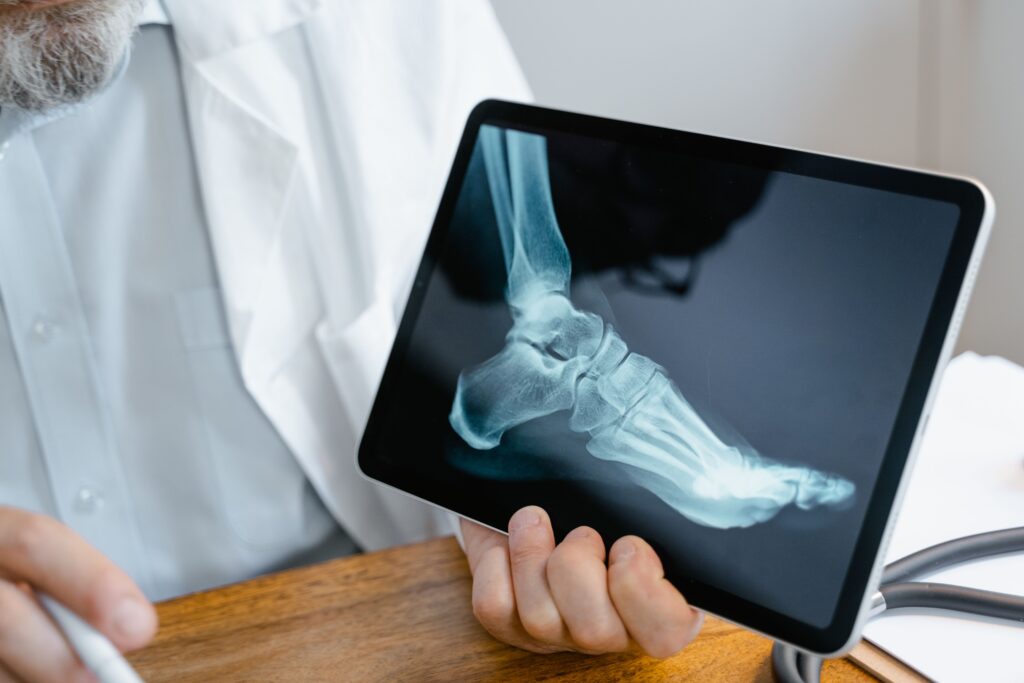
Heel pain that turns sudden, hot, and swollen is worth assessing promptly, especially after a rich meal or a night of drinking. A podiatrist in Singapore can rule out mechanical causes such as plantar fasciitis or Achilles tendinopathy and refer you if gout looks likely.
Fever alongside hot, swollen joint pain is also worth flagging quickly, since it can occasionally signal an infection rather than gout. Persistent or recurring heel pain, whatever the cause, benefits from a proper assessment rather than months of guessing.
Schedule an assessment with Dr Foot Podiatry to have your heel pain reviewed and a suitable management plan put in place.
Frequently Asked Questions About Gout and Heel Pain
Does gout cause heel pain?
Yes. Uric acid crystals can settle in the heel joint as well as the big toe, producing sudden swelling and sharp pain.
Can gout pain be in your heel?
Yes, though it is less common than the big toe. The heel can still flare with the same redness, heat, and swelling.
Can uric acid cause heel pain?
Yes. Elevated uric acid can crystallise inside the heel joint or surrounding tissue and trigger inflammation and pain.
Is heel pain due to uric acid?
It can be, particularly if the pain comes on suddenly and is joined by redness and swelling. A blood test can confirm whether uric acid is the cause.
How to relieve gout heel pain?
Resting the foot, elevating it, and applying a cold compress can ease pain during a flare. Long-term relief depends on lowering uric acid through diet and, where needed, medication.
How to manage heel pain caused by uric acid?
Managing it means addressing both the flare and the underlying cause. A podiatrist can support the mechanical side, while a doctor manages uric acid levels through diet and medication.
Need Help to Assess Your Heel Pain?
Dr Foot’s podiatrists can identify the cause and get you the right treatment.