

Image by LightFieldStudios on Envato
Heel pain when waking up is rarely a sign that something has gone wrong overnight. The tissue under your arch shortens while you sleep, then stretches abruptly at the first step. Identifying which structure is being loaded changes what you should do about it.
The Classic First Step Pain Experience
The pattern is specific enough to be recognisable. You swing your legs out of bed, put weight through the heel, and feel a sharp, stabbing sensation under the bottom of it. The first ten to twenty steps are the worst.
Then it fades. By the time you reach the bathroom, the pain has usually dropped to a dull ache or disappeared. Heel pain after waking up that rises and then settles in that way is what podiatrists call first step pain.
The same thing happens after long periods of sitting. A film, a desk shift, or a long car ride produces a smaller version of the same sharp entry back into weight bearing.
Why Mornings Are Worst: The Plantar Fascia Healing Cycle
The plantar fascia, a thick band of tissue running from your heel bone to the base of your toes, holds your arch under tension every time you stand. Overnight, your foot rests in a slightly pointed position and the band shortens.
While you sleep, the body also begins repairing the small areas of damage where the fascia attaches to the heel. That repair tissue is laid down in a shortened state, so the first step of the day disrupts it again.
Circulation to the heel is lower at rest, which slows the clearing of inflammatory by-products. The pain peaks, then eases as you keep moving. However, the easing is not recovery, and the cycle restarts the next night.
The Most Likely Cause: Plantar Fasciitis
Most morning heel pain causes trace back to plantar fasciitis, an overload injury of that same band of tissue. Pain sits under the heel rather than behind it, and it sharpens with the first load after rest.
Load, not age or sport, is what produces it. Long hours standing on hard flooring, a sudden jump in running distance, unsupportive flats, and tight calves all raise tension through the fascia until the attachment at the heel stops tolerating it.
Tight calves matter more than most people expect. The Achilles attaches to the back of the same heel bone, so restricted ankle movement transfers load forward into the arch with every step you take.
Other Possible Causes of Morning Heel Pain
Plantar fasciitis accounts for most presentations, though several other structures produce a similar morning pattern. Where the pain sits and how it behaves through the day separates them.
- Achilles Tendinopathy: Pain and stiffness sit at the back of the heel, and unlike fascia pain, they often persist through the whole day.
- Heel Fat Pad Atrophy: The cushioning under the heel thins with age or repeated impact, producing a deep, bruise-like ache central to the heel.
- Gout: Pain arrives suddenly with visible redness and warmth, often waking you during the night rather than at the first step.
- Calcaneal Stress Fracture: A hairline crack in the calcaneus, or heel bone, causes pain that builds over weeks and worsens with weight bearing.
- Nerve Entrapment: Burning, tingling, or numbness radiates through the foot rather than staying fixed under one point of the heel.
Bilateral heel pain, meaning both feet at once, shifts the picture again and points more often toward an inflammatory or systemic driver than a mechanical one. A podiatrist reviews the full range of causes of heel pain before settling on a management plan.
Pre-Bed and Pre-Step Stretches That Help
Two windows matter for heel pain upon waking up. The first is the few minutes before you sleep, when the tissue can be lengthened before it sets short. The second is the few minutes before your first step.
Each of the following targets a different part of the chain, so run them as a short sequence rather than picking one.
- Calf Stretch Against a Wall: Hands on the wall, back leg straight, heel flat on the floor. Hold 30 seconds, three times each side, nightly.
- Soleus Stretch With a Bent Knee: Same wall position with the back knee softly bent to reach the soleus, the deeper calf muscle underneath.
- Plantar Fascia Stretch: Seated, cross the foot over the opposite knee and draw the toes back until the arch tightens. Hold 20 seconds, five times.
- Frozen Bottle Roll: Roll a frozen water bottle under the arch for two minutes, using firm pressure that does not provoke sharp pain.
- Toe Towel Scrunch: Sitting, draw a towel toward you using the toes only. Ten repetitions each side, building arch endurance over several weeks.
Do the calf and fascia stretches once in bed at night and again while still seated on the edge of the bed each morning, before your heel takes any weight. Consistency matters more than intensity.
Most people notice that the heel pain they feel when they wake up and walk begins to ease within three to six weeks. Supportive footwear worn indoors through the same period keeps the fascia from being loaded cold on hard flooring.
When Morning Heel Pain Is Not Improving
Six weeks of consistent stretching without change usually means something mechanical is still driving the load. A collapsing arch, restricted ankle range, or a gait pattern that shifts weight onto one heel can keep reproducing the injury faster than stretching alone offsets it.
Assessment at that point looks at how your foot loads during walking, not only at where it hurts. Options for heel pain treatment in Singapore range from taping and custom insoles through to shockwave therapy, and the choice depends on what the gait assessment shows.
When to See a Podiatrist
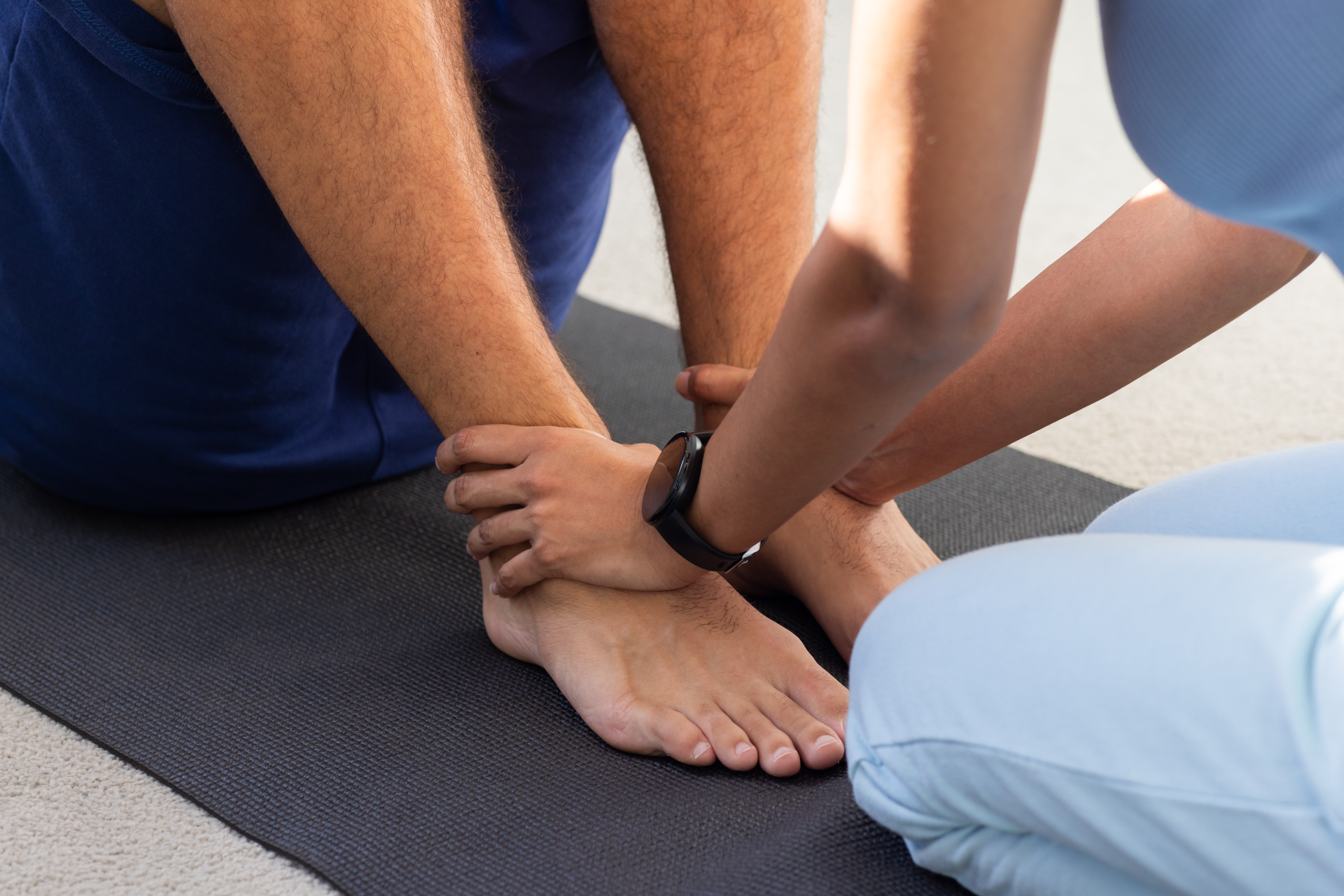
Image by Wavebreakmedia on Envato
Morning heel pain that has run beyond a few weeks, wakes you at night, follows an injury, or comes with numbness or swelling warrants professional assessment rather than another round of self-management. Waiting it out is the most common reason a manageable problem becomes a persistent one.
Schedule an assessment with Dr Foot Podiatry to have the heel evaluated and a management plan put in place.
Frequently Asked Questions About Heel Pain in the Morning
Why Does One Heel Hurt in the Morning?
One-sided heel pain in the morning usually points to a mechanical cause rather than a systemic one. A leg length difference, an old ankle sprain, or favouring one side while standing loads that fascia harder than the other.
How Do You Manage Morning Heel Pain?
Management combines calf and plantar fascia stretching before bed and before your first step, supportive footwear indoors, ice under the arch after activity, and a temporary reduction in standing hours. Persistent cases are assessed for the mechanical driver underneath.
Why Am I Waking Up With Heel Pain?
Waking up with heel pain reflects what happens to the tissue while you are still. The fascia shortens, repair tissue sets in that shortened position, and circulation to the heel drops. Your first step reloads all of it at once.
Not Sure Why Your Heel Is in Pain?
Dr Foot’s podiatrists can identify the cause and get you the right treatment.