
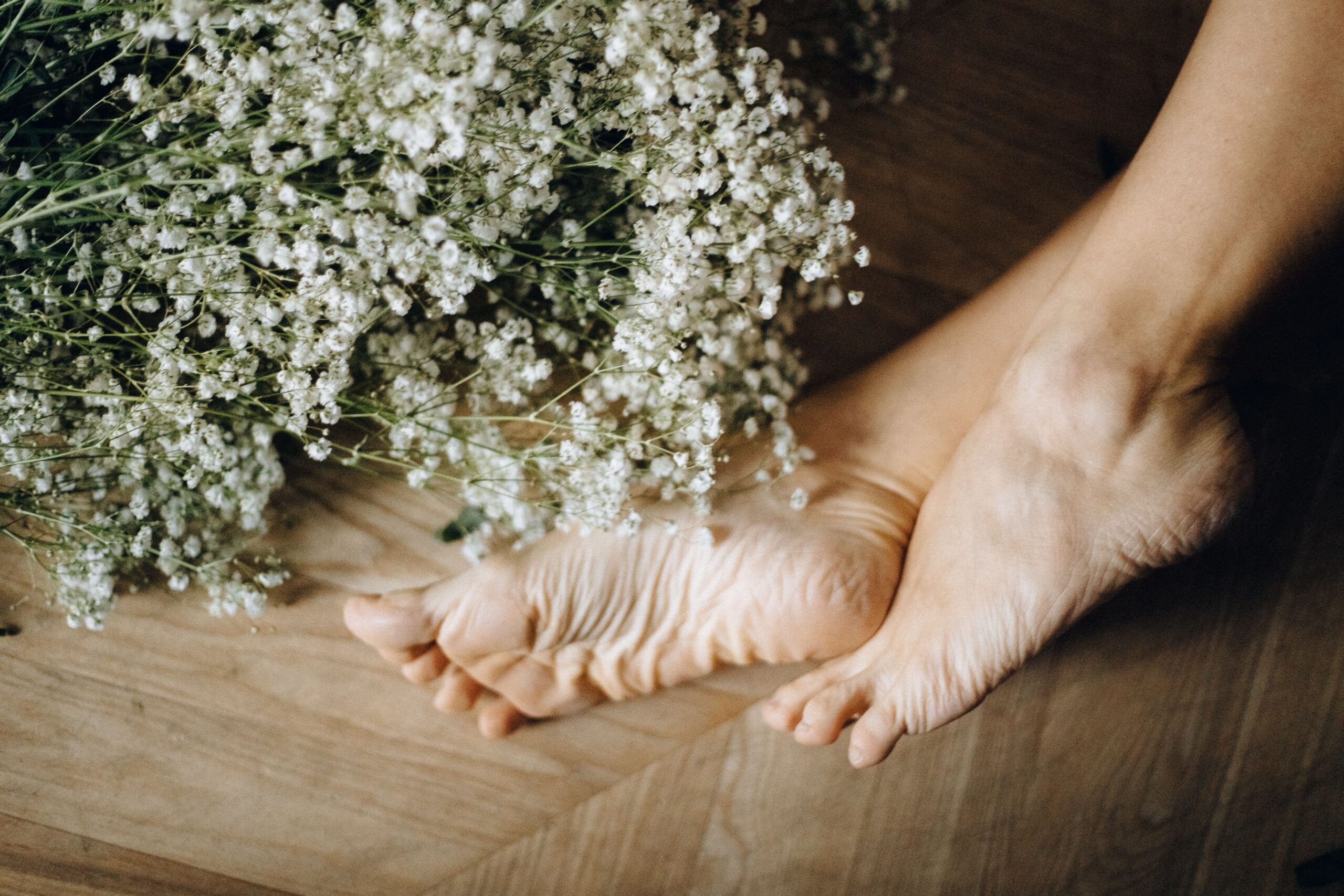
If you have had a corn removed only to find it back in the same spot weeks later, you are not imagining it. The true causes of foot corns are among the most misunderstood things we encounter in our clinic. Most people treat the corn itself without ever addressing why it formed in the first place.
This post covers what causes corn on foot, why recurring corns happen and what it actually takes to stop them returning.
How Does a Corn Develop on the Foot?
Understanding how corns develop on the foot starts with understanding what the skin is trying to do. When a specific point on the foot is subjected to repeated pressure or friction, the skin responds by thickening, building up a hardened layer to protect the tissue underneath. This is how corn growth begins on the foot.
In the early stage, a corn may feel like a small area of tenderness or slight roughness. Over time, the skin hardens further and a dense core forms, pressing inward with each step. How does foot corn happen in practice? Usually gradually, which is why many people do not notice until the corn is already well established.
Seed corns follow the same process but appear as tiny, discrete clusters on the sole, often mistaken for warts. Like all corns, they form in response to pressure rather than infection.
Common Causes of Corn on Foot
Corn foot causes generally fall into a few categories. Understanding which applies to you is the first step toward lasting relief.
- Ill-fitting footwear: Shoes that are too tight, narrow or loose create localised friction points. This is one of the most common causes of foot corns, particularly across the toes and the ball of the foot.
- Foot deformities: Bunions, hammer toes and claw toes alter how weight is distributed across the foot. When bony prominences press against the shoe or against adjacent toes, corns are a predictable result.
- Gait and walking style: The way you walk determines where pressure concentrates on the foot. Overpronation, supination or an uneven stride can all create focal loading that leads to corns on foot over time.
- Walking barefoot on hard surfaces: Without the cushioning of footwear, certain areas of the foot absorb significantly more ground pressure.
- Age-related changes: The fat padding on the soles of the feet naturally diminishes with age, leaving less cushioning between skin and bone. This is why corns are more prevalent in older adults.
- Foot shape and hereditary factors: Some people are simply more predisposed to corns due to their foot structure. If close family members frequently develop corns, genetics may play a role in your foot mechanics.
The Real Reason Your Corn Keeps Returning
If you find yourself asking, ‘Why do I have corns on my foot?’ again after having one removed, the most likely reason is that the corn was treated but its cause was not. A corn is a symptom, not a condition in itself. If the pressure or friction that created it is still present, the skin will respond the same way regardless of how many times the corn is removed.
Why corns keep returning is almost always a mechanical story: the same shoe, gait pattern or foot structure continues to load the same point on the skin. Removing the corn provides relief, but what provides lasting results is identifying and correcting the underlying cause. Without that second step, recurrence is not a matter of if but when.
When Footwear Is Not the Whole Story
Comfortable footwear significantly reduces the risk of corns, but may not eliminate it entirely if the underlying foot mechanics are the issue. A shoe that feels soft and well-fitted may still allow excessive movement or fail to support areas of the foot that need offloading.
People with structural foot issues, including flat feet, high arches and toe deformities, can develop corns regardless of footwear quality. In these cases, pressure is generated from within the foot’s own mechanics rather than externally by the shoe. A gait analysis or high-arch feet treatment can identify exactly where the overloading is occurring and why.
What You Can Change to Stop Corns Coming Back
Prevention is more effective than repeated removal. Maintaining good foot habits daily reduces the build-up of pressure and friction that causes corns to form. Beyond that, a few targeted changes make a significant difference:
- Review your footwear: Ensure there is adequate width across the toe box and no areas of concentrated rubbing. Replace worn shoes that have lost their structure.
- Address foot mechanics: If your gait or foot structure is the primary cause, footwear changes alone will not be enough. Custom orthotics can redistribute pressure more evenly across the foot.
- Seek professional corn and callus treatment: Clinical debridement removes the corn safely and precisely. Combined with orthotics and footwear advice, it forms part of a complete management plan rather than a temporary fix.
- Moisturise regularly: Keeping skin supple reduces the rate at which thickening occurs and makes the skin more resilient to friction.
When Should You See a Podiatrist?
If your corn is painful, keeps returning or is located in an area that makes home care difficult, it’s worth getting a professional assessment instead of attempting to treat it at home. Self-treatment with corn plasters or acid pads can damage the surrounding healthy skin, particularly if you have diabetes or poor circulation.
A podiatrist in Singapore can remove the corn safely, assess your foot mechanics and recommend the right combination of footwear and custom-made arch supports to address the root cause. Treating what causes the corn, not just the corn itself, is what prevents it from coming back.
Ready to Get Rid of That Stubborn Corn? Let Us Help
Dr Foot’s podiatrists can identify the cause and get you the right treatment.