
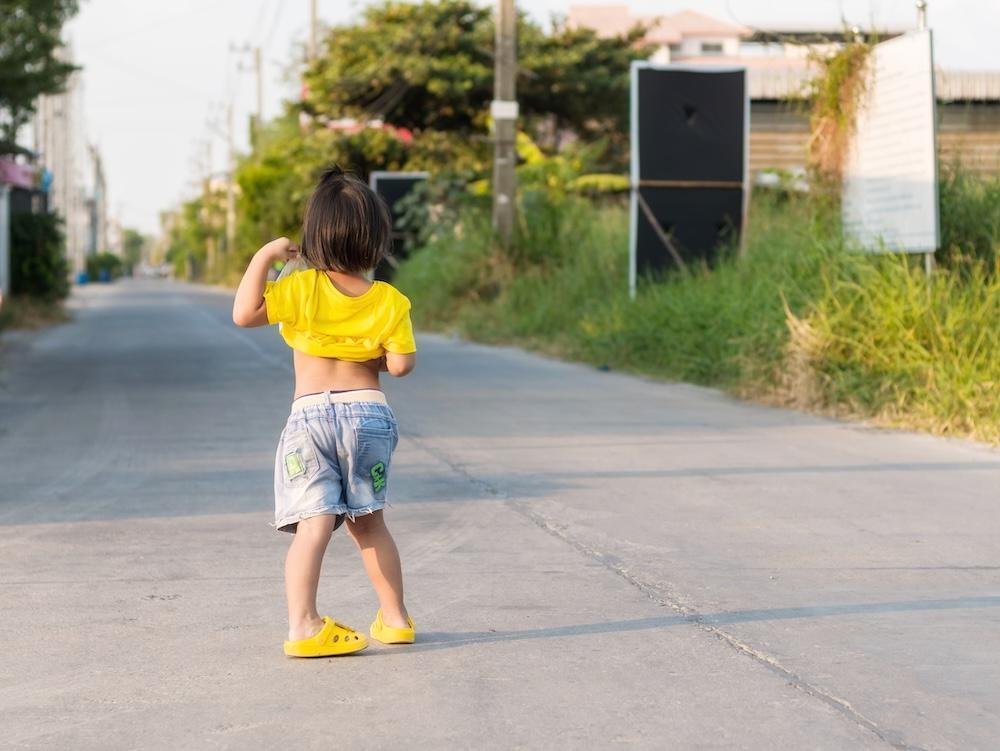
Intoeing in children, often referred to as pigeon toe, occurs when your child’s feet point inwards rather than straight ahead. Naturally, it can cause concern for parents. However, this inward turn is usually a harmless part of healthy skeletal development that resolves on its own as your child grows. Identifying whether it starts at the foot, shin, or thigh helps you know what to expect, what to be concerned about, and whether you should seek medical support.
What Is Intoeing?
Intoeing is a common, typically painless walking pattern that rarely stops children from running and playing. It usually appears between infancy and age eight, and often affects both legs.
The most common intoeing causes start in the forefoot, the shinbone (tibia), or the thighbone (femur). Intoeing is one of several childhood foot concerns that podiatry can assess and manage.
What Is the Cause of Pigeon Toed Feet in Children?
Pigeon toe in children usually stems from one of three conditions. Since each tends to appear at a different stage, your child’s age offers a helpful first clue.
Metatarsus Adductus (Curved Forefoot)
Metatarsus adductus is an inward curve of the front of the foot, often visible from birth and linked to a baby’s snug position in the womb.
Internal Tibial Torsion (Twisted Shinbone)
Internal tibial torsion is an inward twist of the shinbone between the knee and ankle. It is the most common source of pigeon toe walking in toddlers aged one to three. Typically, the kneecaps face forward while the feet turn in, and your toddler may trip often while learning to walk.
Femoral Anteversion (Twisted Thighbone)
Femoral anteversion is an inward twist of the thighbone near the hip. It usually becomes noticeable from age three and is most obvious between four and six. Unlike tibial torsion, it turns both kneecaps and feet inwards.
What Are the Signs of Intoeing?
The signs of intoeing are easiest to spot during walking, running, or floor play, especially when your child is tired.
- Toes pointing towards each other: The feet angle inwards with each step, the clearest sign of pigeon toe walking.
- Frequent tripping: Your child stumbles often, particularly when running or on uneven ground.
- A preference for W-sitting: Your child sits with knees together and feet out to the sides.
- Uneven shoe wear: One shoe, or one edge of the sole, wears down faster than the rest.
Will My Child Grow Out of Pigeon Toe?
Most children grow out of pigeon toe as their bones gradually reshape during growth.
- Metatarsus adductus: Flexible cases usually improve within four to six months and settle by around age two.
- Internal tibial torsion: The shinbone typically untwists before school age, often by four or five.
- Femoral anteversion: The thighbone gradually rotates outwards, improving until around eight to ten.
Where mild intoeing remains into adulthood, it seldom causes pain or affects running speed.
When Does Intoeing Need a Podiatry Assessment?
Although most intoeing settles with time, a podiatrist should check the following patterns.
- Pain, swelling, or limping: Your child has discomfort in the foot, knee, or hip.
- One-sided intoeing: One leg turns inwards noticeably more than the other.
- A stiff forefoot: Your baby’s curved foot resists gentle straightening.
- A persistent or worsening turn: The intoeing increases, or continues past the age its cause usually settles.
- Developmental concerns: Your child walks late, falls often, or has unusually tight or low muscle tone.
How Is Intoeing in Children Assessed?
At Dr Foot Podiatry, an assessment starts with your child’s birth history and walking milestones. A podiatrist then checks alignment from hip to toe.
- Gait analysis: Watching your child walk and run to measure the inward turn
- Hip rotation check: Measuring each hip’s rotation while your child lies face down
- Thigh-foot angle: Comparing the thigh with the sole to spot a twist in the shinbone
- Heel bisector line: Tracing a line through the heel to see whether the forefoot curves inwards
X-rays are usually unnecessary for typical intoeing under age eight. Afterwards, you learn which cause applies and when it usually settles.
What Treatment Options Are Available for Intoeing in Toddlers?
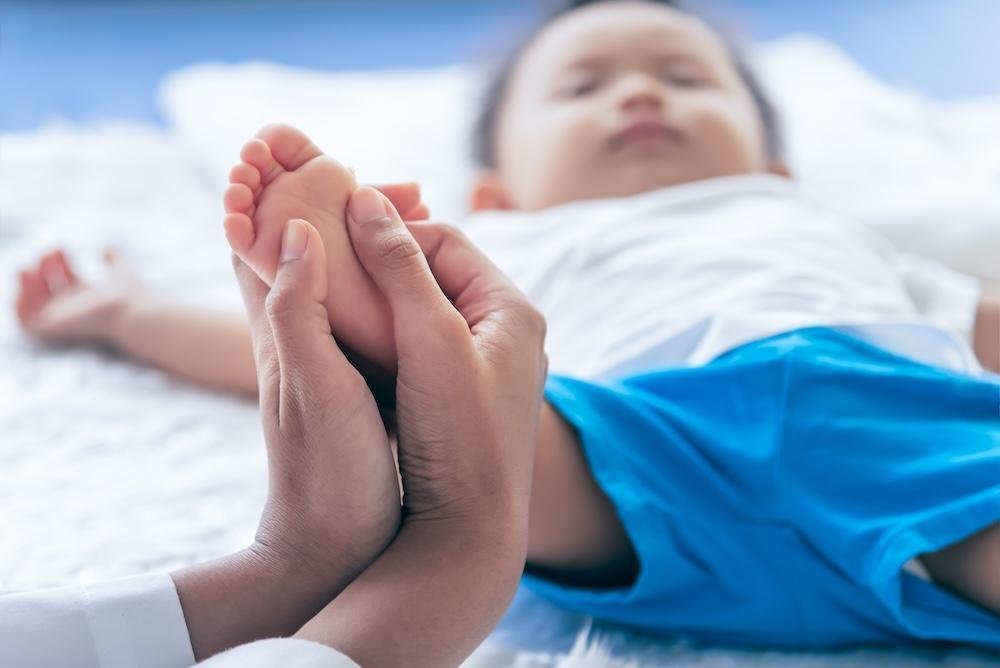
Most toddlers need only monitoring, as their bones reshape with growth. In the meantime, treatment focuses on how to keep your toddler comfortable and stable, alongside regular reviews.
- Choose flexible, well-fitted shoes: Look for a firm heel and a sole that bends at the toes.
- Offer alternatives to W-sitting: Encourage cross-legged sitting or a low stool during floor play.
Many children with intoeing also have flexible joints or flat feet, which can affect balance. For these children, Dr Foot can provide custom insoles in Singapore that support the arch and steady the heel.
Where ankle control is weak, paediatric supramalleolar orthotics wrap around the foot and ankle to add stability. An older child still dealing with a stiff forefoot or persistent rotation may need to see a paediatric orthopaedic surgeon.
Can Special Shoes Correct Pigeon Feet?
Special shoes and braces have shown little effect on the bone rotation behind pigeon feet. Supportive footwear and orthoses can still improve comfort when flat feet or weak ankles are present.
Book a Paediatric Gait Assessment With Dr Foot
Intoeing in children usually reflects bones that are still reshaping, and most cases settle with time. Schedule an assessment with Dr Foot to have your child’s gait and alignment evaluated.
Book a Paediatric Gait Assessment With Dr Foot
Dr Foot’s podiatrists can identify the cause and get you the right treatment.