
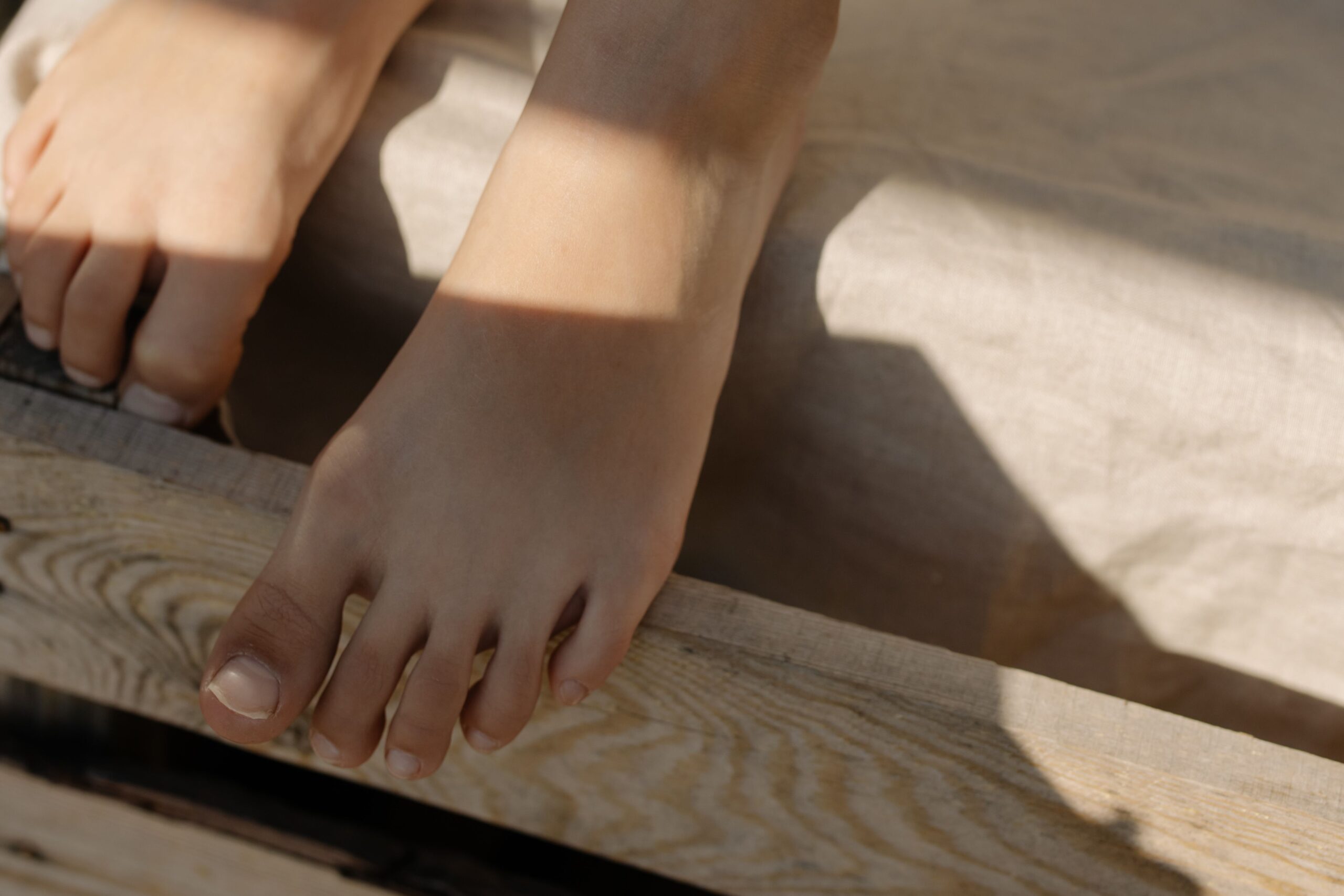
A small patch of thickened skin on the bottom of your foot sounds simple enough. But whether it’s a foot corn, callus or plantar wart makes a significant difference to how it should be treated. Misidentifying one for another is surprisingly common, and treating the wrong condition can delay recovery or make things worse. Here’s a clear breakdown of all three conditions, how to tell them apart, and when it is time to see a professional.
What Is a Foot Corn?
A foot corn is a small, concentrated area of hardened, thickened skin. Think of it as the skin’s defence mechanism: it builds a protective layer over a focal pressure point, but that layer eventually becomes the problem itself.
- Cause: Repeated pressure or friction, most commonly from ill-fitting footwear.
- Appearance: Round, roughly the size of a pea, with a hard centre surrounded by inflamed skin. Soft corns between the toes are whitish and rubbery due to moisture.
- Location: Tops and sides of the toes, or between them.
- Pain: Sharply painful when direct pressure is applied.
What Is a Foot Callus?
A foot callus is a broader, flatter patch of thickened skin, the skin’s response to friction spread across a surface rather than concentrated at a single point.
- Cause: Sustained friction or ground pressure over time, from walking barefoot, poor footwear or repetitive activity.
- Appearance: Diffuse and flat with a yellowish tone and no defined hard core.
- Location: Heel, ball of the foot or outer edges.
- Pain: Generally milder than a foot corn. Many people do not notice a callus until it thickens enough to ache or crack.
What Is a Plantar Wart?
A plantar wart is a viral infection caused by the human papillomavirus (HPV), which enters through small cuts or breaks in the skin. Unlike corns and calluses, plantar warts are not caused by pressure. They are an infection, and they are contagious.
- Cause: HPV, typically picked up from contaminated surfaces like public showers or pools.
- Appearance: Flat and rough-surfaced, often with tiny black dots, which are clotted blood vessels, not seeds, despite the common name ‘seed warts’.
- Location: Heel or ball of the foot, sometimes in clusters.
- Pain: Variable. Some are painless while others can cause significant discomfort, especially when pinched from the sides.
Difference Between Corns, Calluses and Plantar Warts
Understanding the callus vs corn on foot distinction, and how both compare to a wart, comes down to a few key markers. Here are the differences between calluses and corns, and how plantar warts fit in:
| Foot Corn | Foot Callus | Plantar Wart | |
|---|---|---|---|
| Cause | Pressure and friction | Pressure and friction | HPV viral infection |
| Appearance | Small, round, hard centre | Broad, flat, diffuse | Rough, flat, black dots |
| Location | Toes, top or sides of foot | Heel, ball of foot, sole | Heel, ball of foot |
| Pain type | Sharp pain when pressed | Dull ache if thick | Pain when pinched sideways |
| Contagious | No | No | Yes |
| Skin lines | Intact | Intact | Interrupted |
When doing a foot callus vs corn comparison, the main distinction is size, location and the presence of that concentrated hard core. Both are caused by mechanical pressure. A plantar wart, however, is a different condition entirely.
How to Tell the Difference at Home
If you are looking at something on the bottom of your foot and unsure whether it’s a corn or wart on your foot, here are a few practical checks:
- Presence of black dots: Black dots strongly suggest a plantar wart. A foot corn vs wart comparison almost always starts here, as corns do not have black dots. If you do see dark specks, don’t assume it is a callus with black dots either. The dots in a wart are clotted capillaries, not dirt, and they are clinically significant.
- Check the skin lines. Run your finger across the surface. On a corn or callus, the skin’s natural lines continue through the thickened area. On a wart, those lines are interrupted because the viral growth disrupts normal skin architecture. This is one of the most reliable visual tests.
- Conduct a pinch test: Squeeze the area from the sides rather than pressing directly down on it. Warts and corns behave differently under this test: warts tend to be more painful when pinched sideways, while corns hurt most with direct downward pressure.
Seed corns are worth a special mention here. They are tiny, discreet, and can appear in clusters on the sole, making them easy to confuse with plantar warts. The key difference is that seed corns do not have black dots and do not interrupt skin lines. It’s also worth clarifying that a corn cannot turn into a wart. They are entirely different conditions with different causes, though both can coexist on the same foot.
Which One Is More Painful?
It depends on the individual and the severity, but as a general guide:
- Foot corns tend to produce the sharpest, most localised pain, particularly when pressure is applied directly, such as when wearing tight shoes.
- Calluses on foot are often painless unless they become very thick, begin to crack, or develop beneath a corn.
- Plantar warts can range from mildly uncomfortable to intensely painful, particularly when they grow inward and press on deeper tissue. The pain is typically aggravated by pinching rather than direct pressure.
Should You Treat a Foot Corn vs Wart the Same Way?
No, and this is where misidentification causes the most harm. A corn and a wart on the foot require completely different treatment approaches because they have entirely different underlying causes. Foot corn treatment typically involves relieving pressure and removing the hardened tissue through debridement. Plantar wart treatment targets the viral infection, which requires a completely different clinical approach. Over-the-counter salicylic acid pads are sometimes marketed for both, but applying them to the wrong condition wastes time at best, and at worst damages healthy surrounding skin. This is particularly risky for people with diabetes or poor circulation.
When Should You See a Foot Treatment Doctor?
See a foot treatment doctor if:
- You cannot confidently identify what you are looking at.
- Home treatment has not worked after a few weeks.
- The area is painful, cracked or showing signs of infection.
- You have diabetes, poor circulation or reduced foot sensation.
- The corn, callus or wart keeps returning
A podiatrist can identify the condition accurately through clinical examination, pare the surface to inspect the underlying tissue and recommend the appropriate treatment, whether that is foot corn treatment, callus removal or foot wart removal. Getting the diagnosis right is always the first step.
Not Sure If You’re Dealing with A Foot Corn, Callus or Wart?
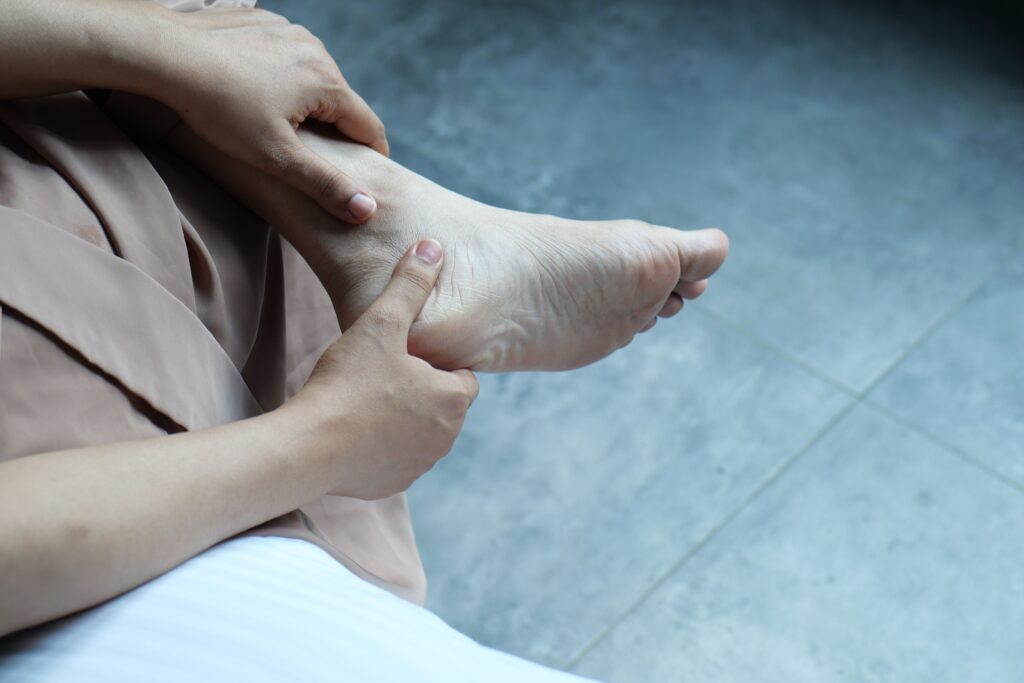
At Dr Foot, we see and treat all three conditions regularly. If something on your foot has been bothering you and you are not sure what it is, book an appointment and let our podiatrists take a closer look.
Smooth Feet Start Here. Book Your Corn Removal Today.
Dr Foot’s podiatrists can identify the cause and get you the right treatment.