
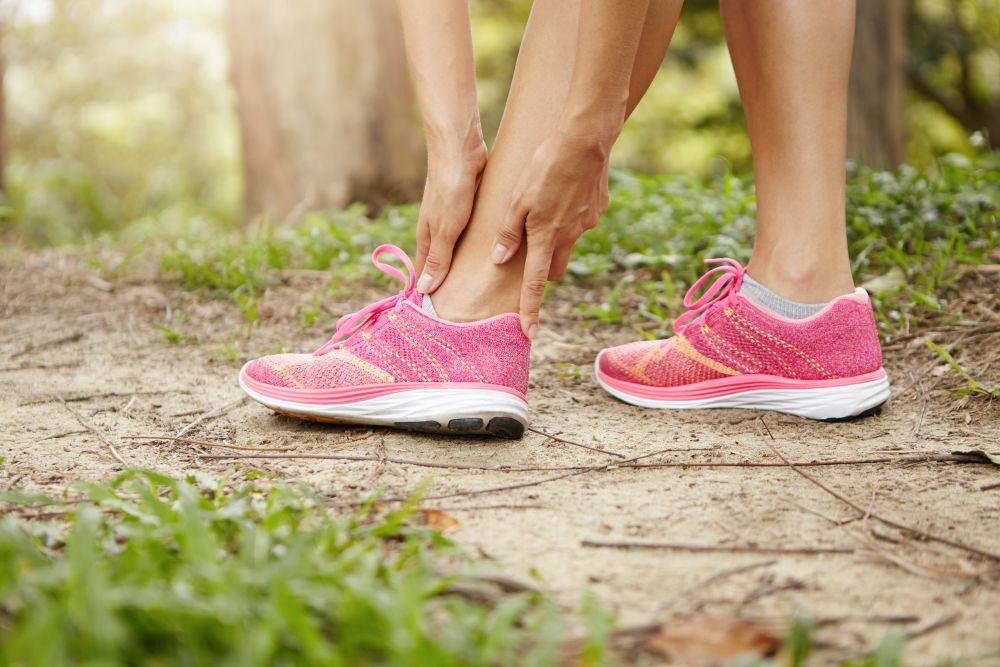
If you experience persistent discomfort at the back of your heel, you may be dealing with retrocalcaneal bursitis. Due to repetitive friction or tight tendons, you may notice swelling and tenderness that worsen with activity.
To restore your daily mobility and address discomfort, it’s crucial to identify the triggers of heel bursitis. This way, a podiatrist can recommend the ideal management plan to mitigate the risk of the pain from returning and ensure you maintain healthy feet.
What is Retrocalcaneal Bursitis?
The retrocalcaneal bursa is a small, fluid-filled sac situated at the back of your heel. Its primary function is to provide essential cushioning and reduce friction between the Achilles tendon and the calcaneus, or heel bone, as you move.
When this specific sac becomes inflamed, it leads to retrocalcaneal bursitis. This often results in noticeable discomfort and swelling in the back of the foot with pain that can radiate to the ankle. At the same time, the area can become quite sensitive, making it painful to walk or perform other activities, such as running or even tiptoeing.
Symptoms and Causes of Retrocalcaneal Bursitis
To take the first step towards managing retrocalcaneal bursitis, you need to identify its signs and underlying triggers. When you consult with a podiatrist in Singapore, they will help you evaluate the following:
What are the Symptoms of Retrocalneal Bursitis?
- Primary Indicator: You may feel persistent pain and tenderness at the very back of the heel, which is often more noticeable in the morning or after periods of rest.
- Visible Changes: Noticeable swelling may be observed on one side of the ankle area.
- Footwear Challenges: Many individuals with retrocalcaneal bursitis find it difficult to wear certain closed-back shoes because the friction against the heel intensifies the discomfort.
What are Some Common Causes of Retrocalneal Bursitis?
- Friction and Pressure: The leading causes of retrocalcaneal bursitis are repetitive friction and pressure on the back of the foot.
- Physical Activity: Frequent running and jumping, or having a tight Achilles tendon can compress the bursa against the bone.
- Inappropriate Footwear: Shoes that lack proper support can rub excessively against the back of the heel, and can also cause the retrocalcaneal bursa sac to become inflamed.
How Long Does it Take for Retrocalcaneal Bursitis to Heal?
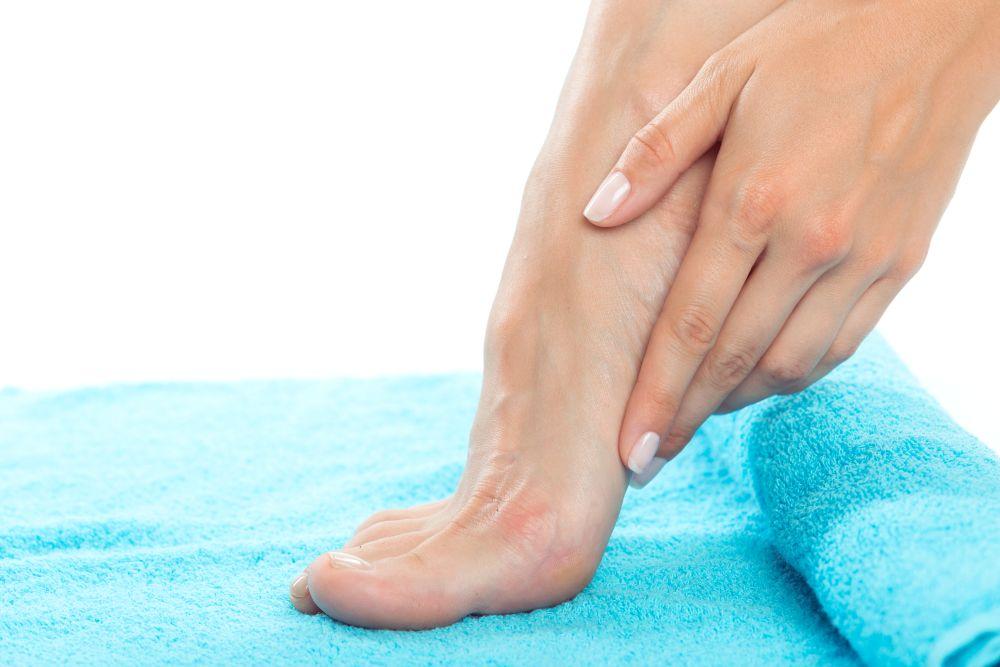
The recovery timeline for retrocalcaneal bursitis varies depending on the individual and the severity of the inflammation. For mild instances, you may observe an improvement within a few weeks, provided there is appropriate rest and modification of daily activities.
However, if the underlying mechanical causes, such as a tight calf muscle or poor foot biomechanics, are not professionally addressed, the inflammation can become persistent.
Consequently, you may experience months of intermittent heel discomfort. Therefore, consistently offloading the area and identifying contributing factors are essential steps that influence the recovery period.
Professional Management of Bursitis
Professional care for retrocalcaneal bursitis focuses on reducing inflammation and addressing the mechanical stresses that trigger the discomfort. Initially, a practitioner will advise on heel pain treatment, which often includes activity modification and temporary strapping or ankle support to provide relief to the area.
For long-term management, they may also recommend wearing custom foot orthotics, which can realign your foot and redistribute pressure to relieve strain on the bursa.
Furthermore, the approach may be supported with modalities like shockwave therapy. This method encourages blood flow and manages the inflamed tissue, helping you return to your active lifestyle.
Prioritise Your Heel Health Today
If you suspect you have retrocalcaneal bursitis, seeking timely professional intervention is essential to relieve discomfort. With a tailored management plan, you can manage the inflammation while managing the mechanical pressures that caused the foot pain in the first place.
Schedule a consultation with Dr Foot Podiatry today for an assessment. We’ll work with you to develop a customised plan to help you get back on your feet.